



As the population grew, more living space was created by adding stories to the existing houses or dividing large rooms into several smaller ones. Traffic continued along the narrow ways that crossed the rivers at points where the valley sides were closest.
Since 1850 Lausanne began a very rapid expansion. The first of several important civil engineering projects was the construction in 1844 of the Grand-Pont, link in the almost level circuit. In 1856 when the railway arrived in Lausanne, the increased need for transport led to the construction of the cable railway between the station and the lake. The river Flon was covered over, to create a new industrial and commercial district.
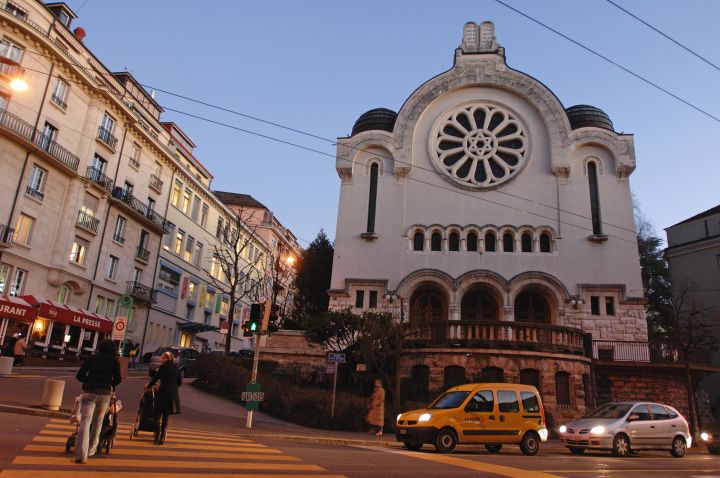
Three figures show Lausanne's population growth: 15,000 in 1850, 65,000 in 1910, 120,000 in 1999. From 1870 onwards intensive building took place outside the Old Town, without any guiding plan until 1905. The quarter of Georgette for example, like the one below the station, is made up partly of individual apartment buildings, partly of a continuous street frontage. Schools, churches, or hotels reflect the newer architectural projects of the time, while many of the constructions in the centre were erected after massive demolition of ancient buildings. This expansion of Lausanne has continued all through the 20th century, not always with the happiest results.
Since 1850 Lausanne began a very rapid expansion. The first of several important civil engineering projects was the construction in 1844 of the Grand-Pont, link in the almost level circuit. In 1856 when the railway arrived in Lausanne, the increased need for transport led to the construction of the cable railway between the station and the lake. The river Flon was covered over, to create a new industrial and commercial district.
Three figures show Lausanne's population growth: 15,000 in 1850, 65,000 in 1910, 120,000 in 1999. From 1870 onwards intensive building took place outside the Old Town, without any guiding plan until 1905. The quarter of Georgette for example, like the one below the station, is made up partly of individual apartment buildings, partly of a continuous street frontage. Schools, churches, or hotels reflect the newer architectural projects of the time, while many of the constructions in the centre were erected after massive demolition of ancient buildings. This expansion of Lausanne has continued all through the 20th century, not always with the happiest results.
-
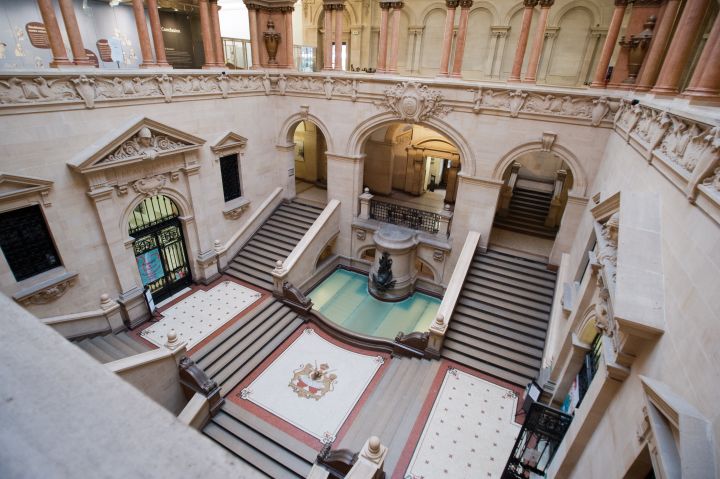
Today, the Palais de Rumine houses the Naturéum - Cantonal museum of natural sciences (geology and zoology, the cantonal museum of archaeology and history and the cantonal and university library - Lausanne.
-
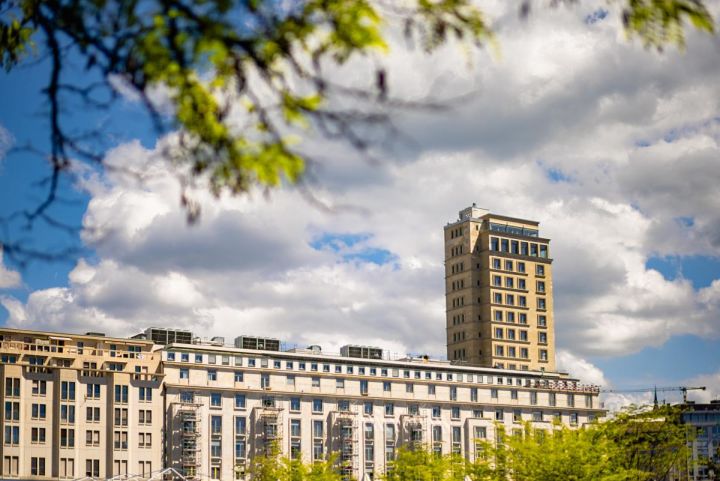
Built in 1932 by Alphonse Laverrière, Bel-Air Tower was based on the American model (with a metal framework covered in stone). Standing at a height of 55 metres, this was one of Switzerland’s first “skyscrapers”.
-
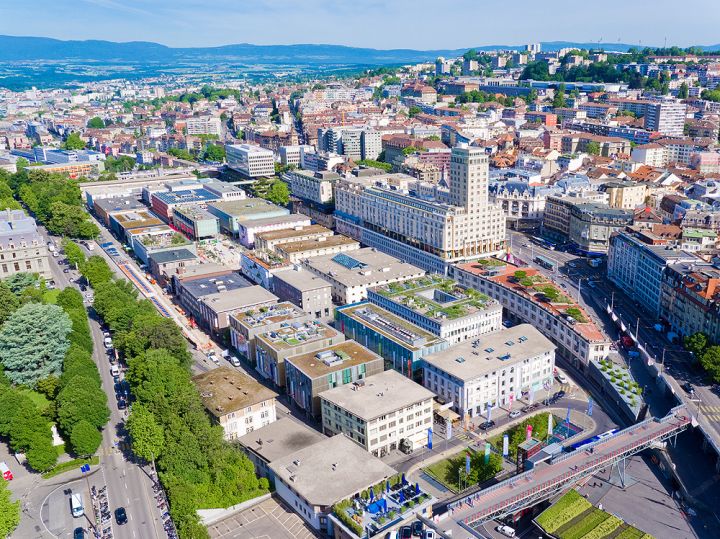
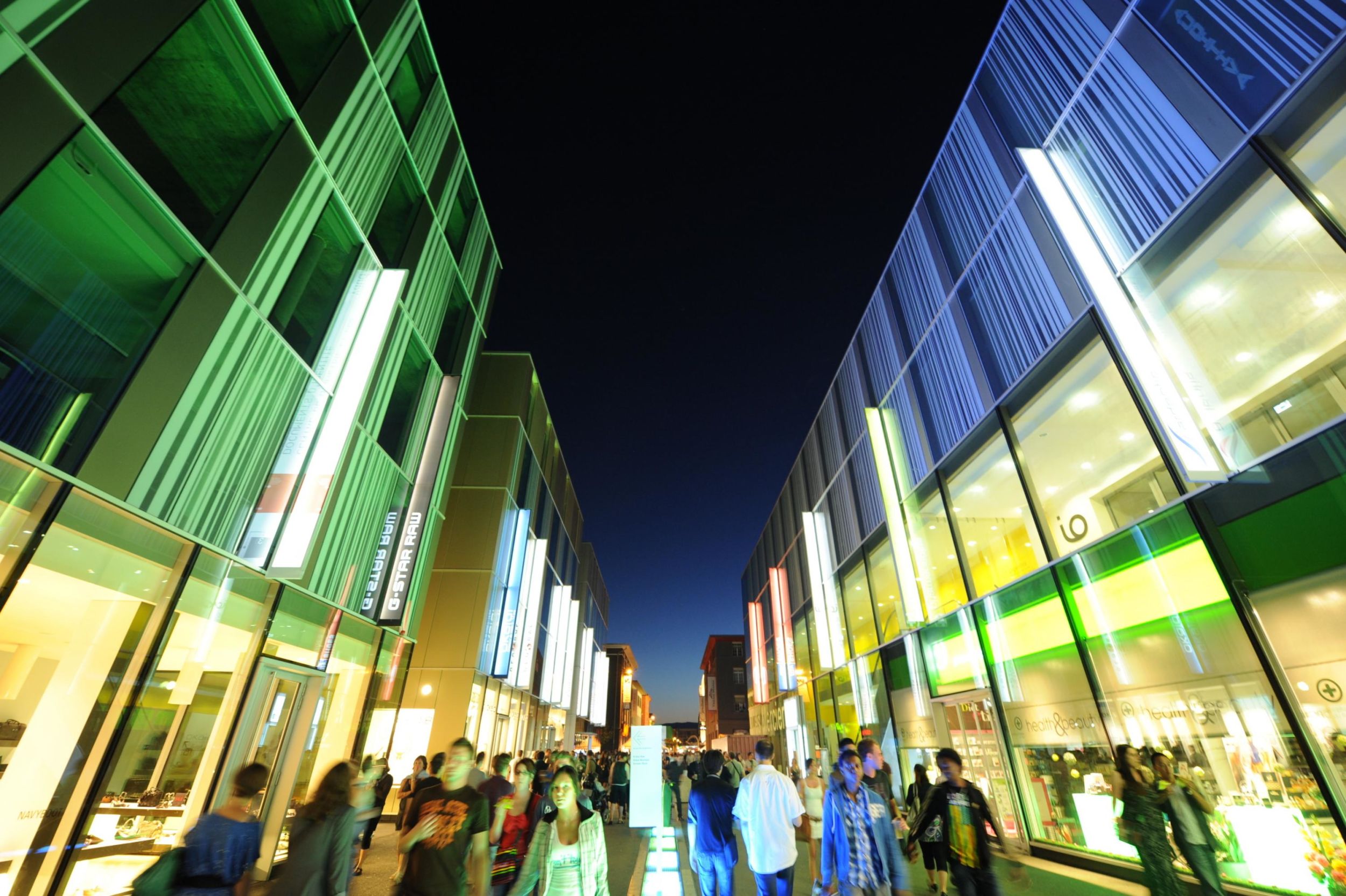
The Flon is the heart of Lausanne, pulsating with the energy of a modern and innovative living space. It is the city’s architectural success story: this neighbourhood of former warehouses, which begins at Place de l’Europe, has been transformed into a vibrant area featuring a wealth of restaurants, bars, clubs, shops, cinemas, a bowling alley and exhibition spaces.
-
With a history spanning more than 150 years, the Opéra de Lausanne has responded to the ever-growing demand for opera performances, evolving from a simple host theatre to an opera house capable of producing its own productions. Since its renovation in 2012, the institution offers a wide choice of operas and concerts each season, welcoming over 45,000 spectators a year.
-
Discover the Georgette neighbourhood and its various shops.
-
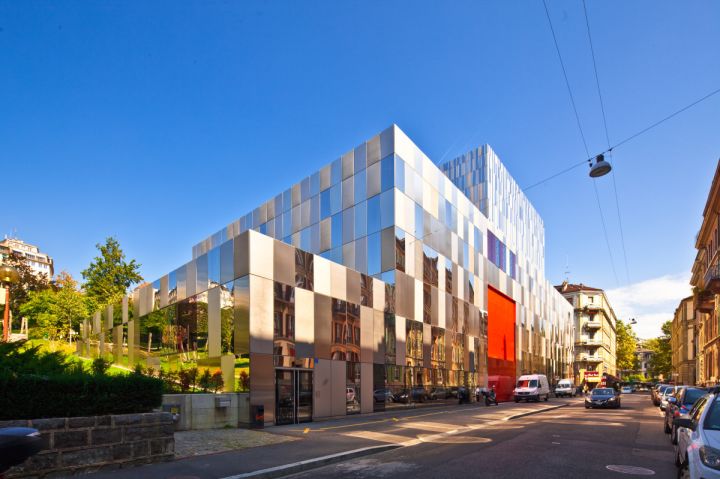
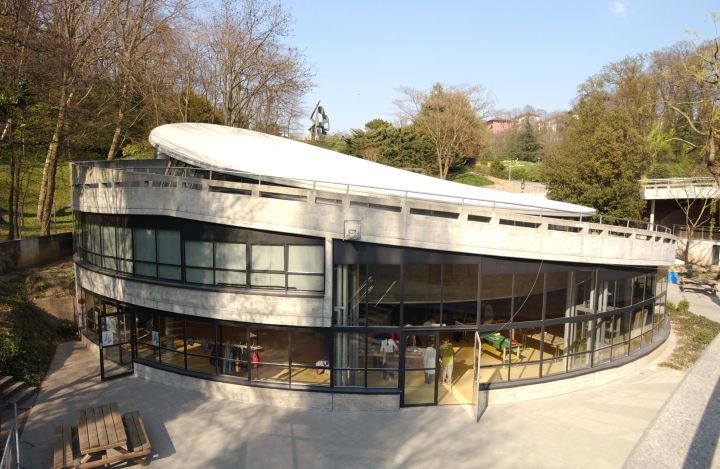
The National Exhibition of 1964, held in Lausanne, figured many pavilions considered as notable architectural innovations. Most have disappeared but this one survives.