


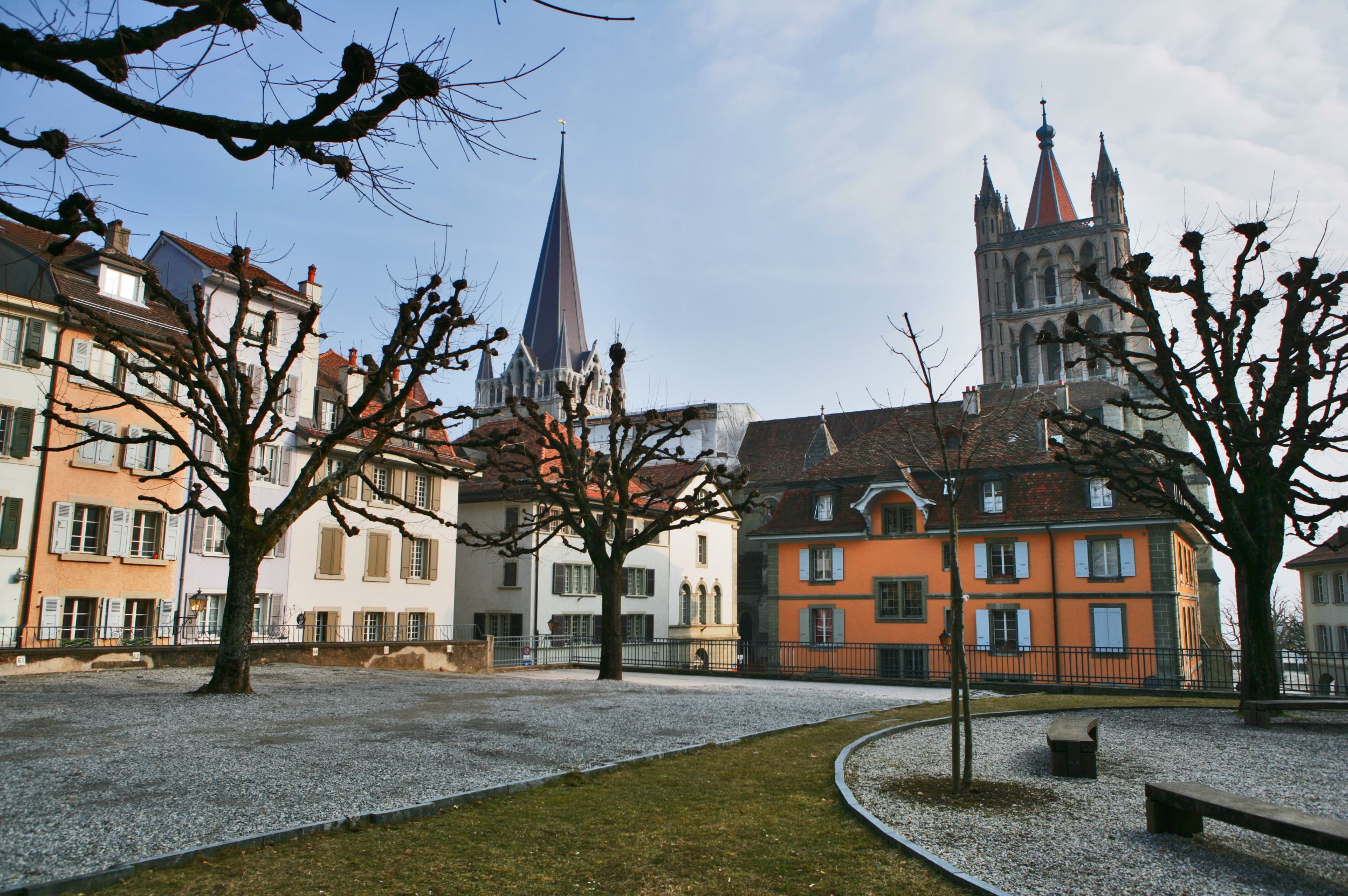

The Cité concentrated “official” structures such as Cathedral, Evêché (bishop's residence), the St-Maire Castle and the Grand Hôpital. La Palud, down below, evolved into a commercial and political hub with its City Hall. The Pont district grew at the junction of Flon and Louve rivers, now covered. Tradesmen and artisans settled down in the valley to take advantage of the hydraulic power produced by mills, which numbered more than 50 around 1830. On the other side of the Flon Valley, the Bourg became the home of luxury shops and inns. The fortified convent of St-François – whose church remains – formed an outcrop on the citys southside wall. On the other side of the Louve Valley, artisans flocked to the St-Laurent district. Its face was profoundly modified when new streets were opened in the 19th century.
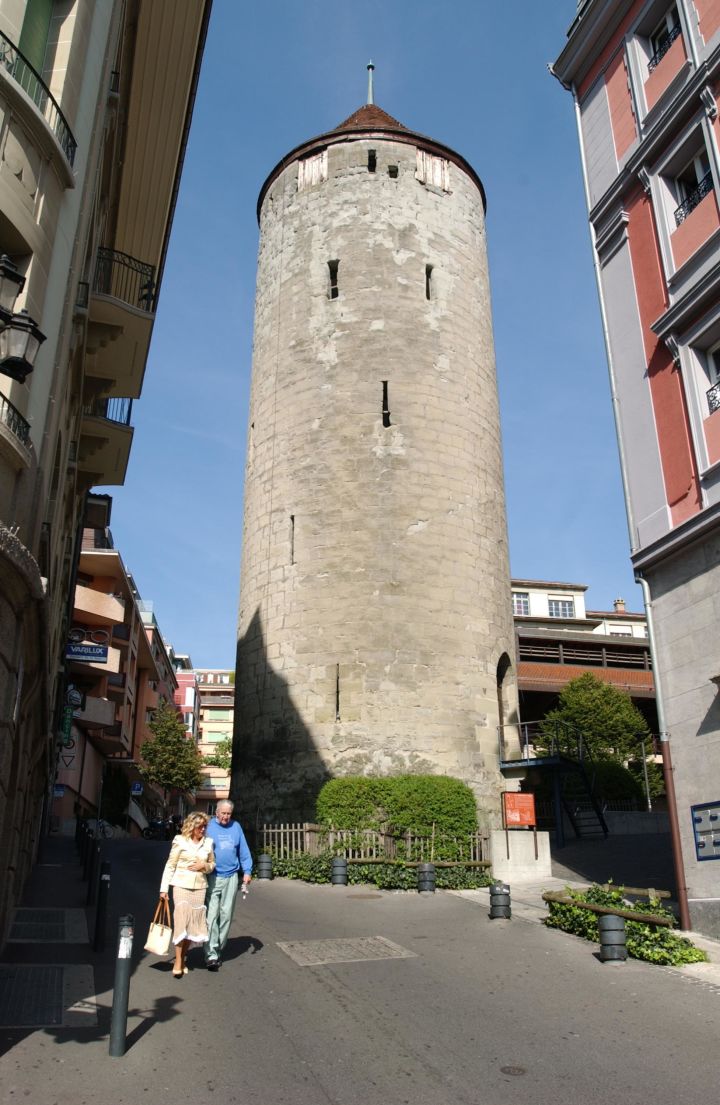
The Ale Tower and that of Ouchy's bishop's castle (12th century) are the last remnants of some 50 towers which made up the citys medieval fortifications.
-
Dating back to the 14th century, this tower is the last vestige of Lausanne’s old city walls, mostly destroyed during the18th century.
-
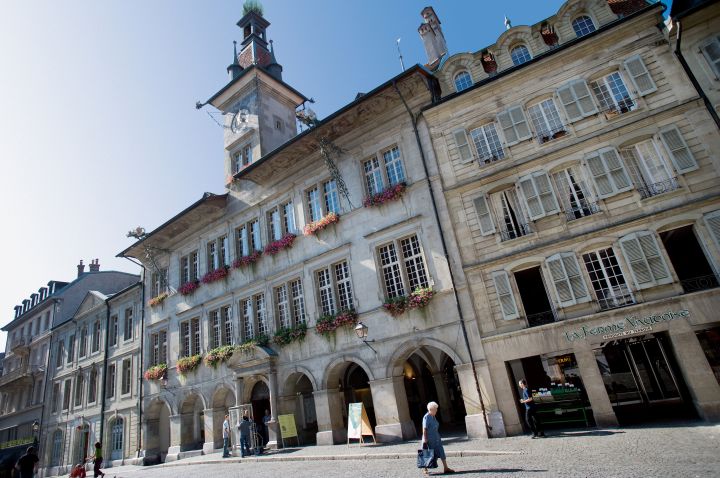
With its belfry towering over the picturesque Place de la Palud, the imposing Town Hall building is still used today for municipal offices. The Lausanne architect Abraham de Crousaz built it between 1673 and 1675 on the site of previous town halls.
-
Built between the 11th and 15th centuries for one of the most important dioceses of the region. It now houses the Lausanne Historical Museum.
-
The Musée historique de Lausanne (MHL), renovated in 2018, is the ideal place to delve into the fascinating evolution of the city and its inhabitants. At the heart of the ‘Lausanne, l’Exposition’ exhibit, the emblematic model of the city in 1638 invites visitors to dive into the rich and captivating economic, social and cultural history of Lausanne.
-
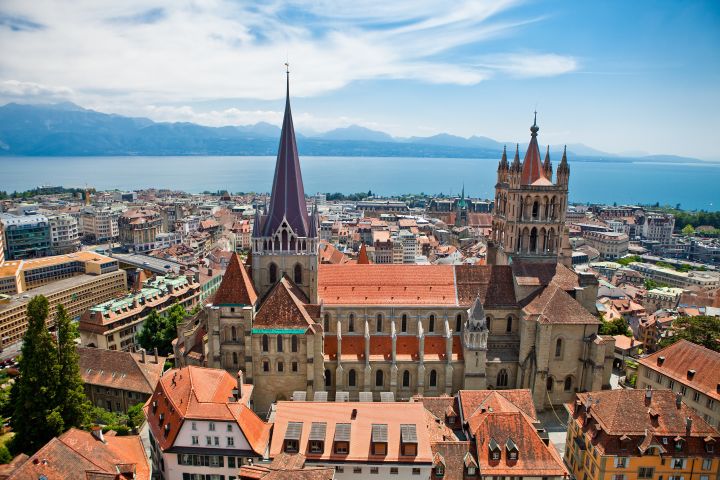
Lausanne's iconic cathedral has towered over the city for more than eight centuries. A masterpiece of Gothic art, it captivates visitors with the harmony of its architecture, the richness of its sculpted details and the serenity it inspires. From its tower, an exceptional panorama opens up over the roofs of the Cité, Lake Geneva and the Alps.
Due to the renovation of the vaults in the south transept, the rose and its stained glass windows will be inaccessible until spring 2027.
-
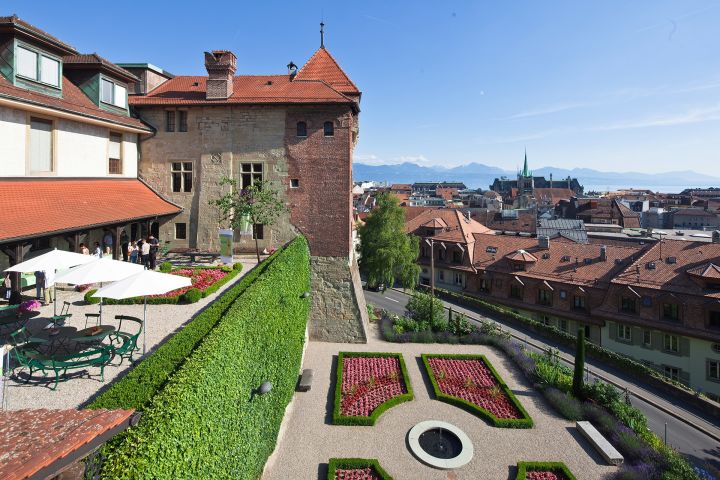
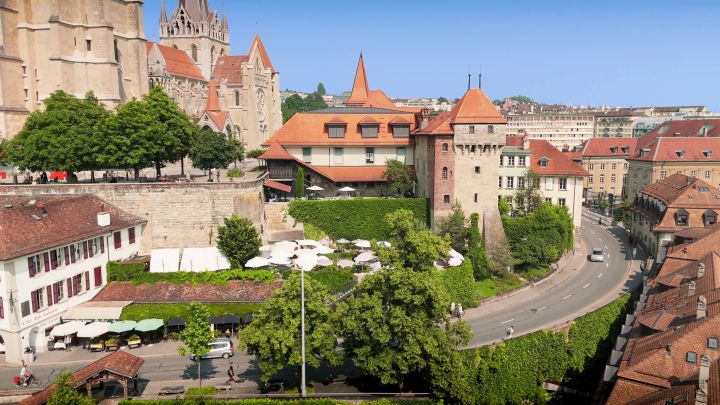
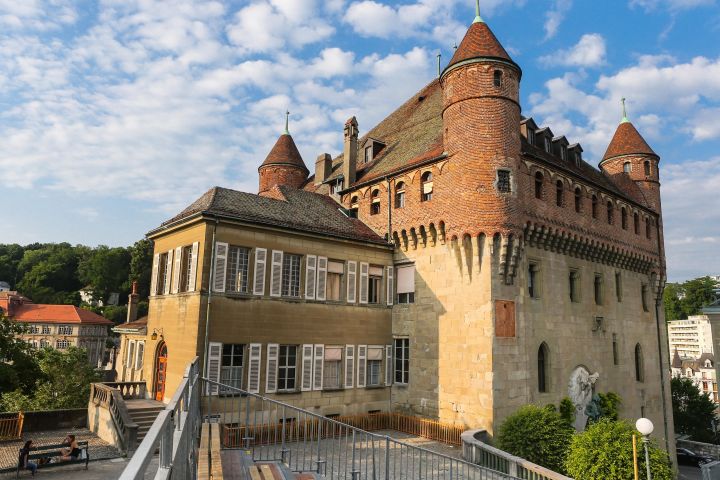
Located on the far north end of the City hill, the Château Saint-Maire has been the seat of regional power since it was established. Lausanne’s bishops built it between around 1400 and 1430 as their new residence, choosing the site for its distance from the lower city and its turbulent bourgeoisie.
-
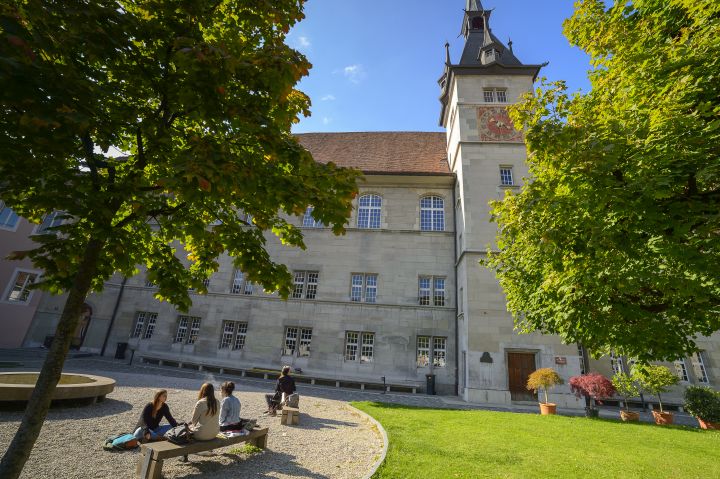
Built in the middle of the 16th century, the Ancienne Académie housed Europe’s first college of Protestant and French theology, then the University between 1890 and 1987.